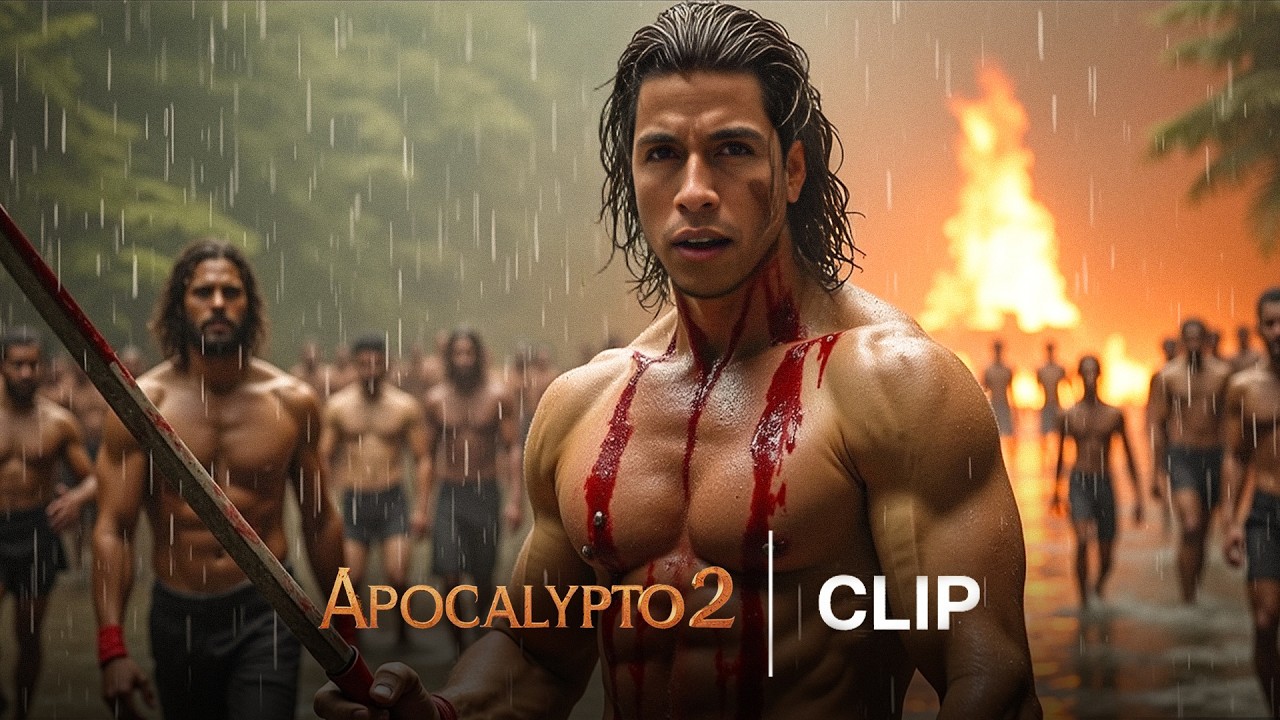
This isn’t just a film—it’s a full-scale cinematic experience. I expected another survival sequel with bigger action and louder battles… but what I didn’t expect was how intense, emotional, and genuinely haunting this journey would become by the final act.
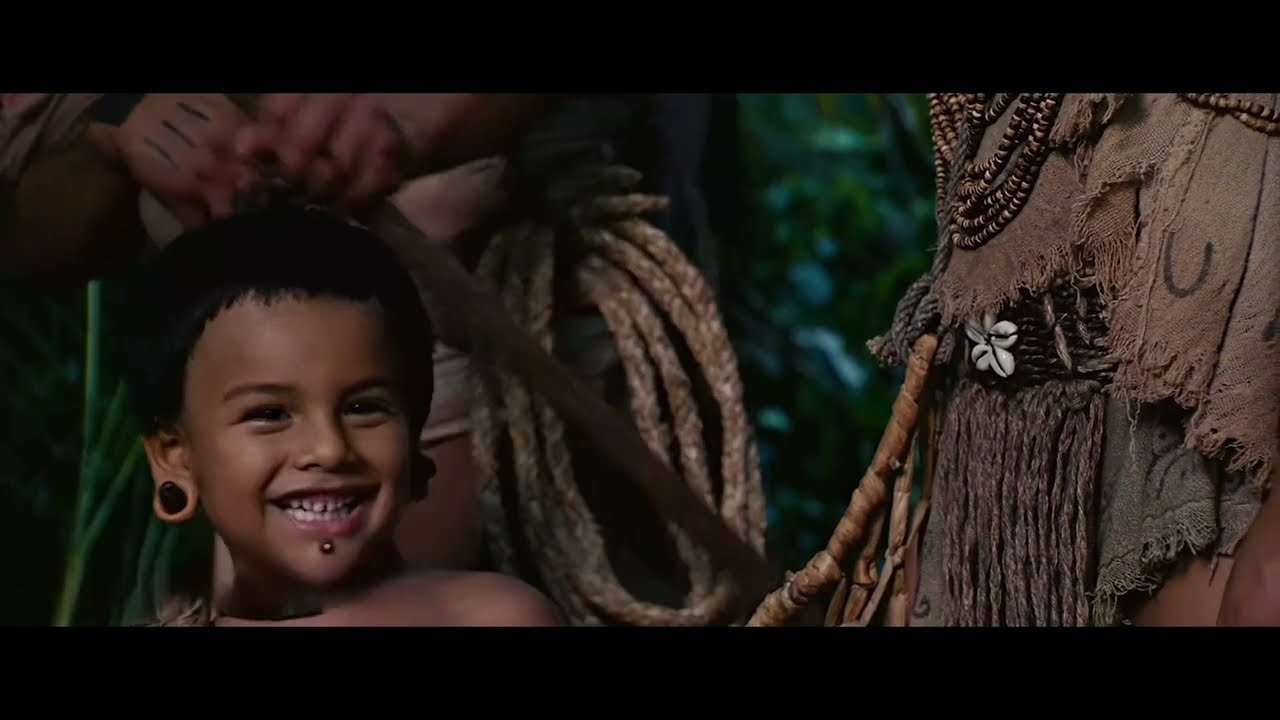
And trust me—once the jungle starts closing in again, there’s no escaping it.
A Spectacle Worth Watching on the Big Screen
The story picks up after the chaos of survival, but the world has changed. The jungle feels darker now. More dangerous. More unpredictable.
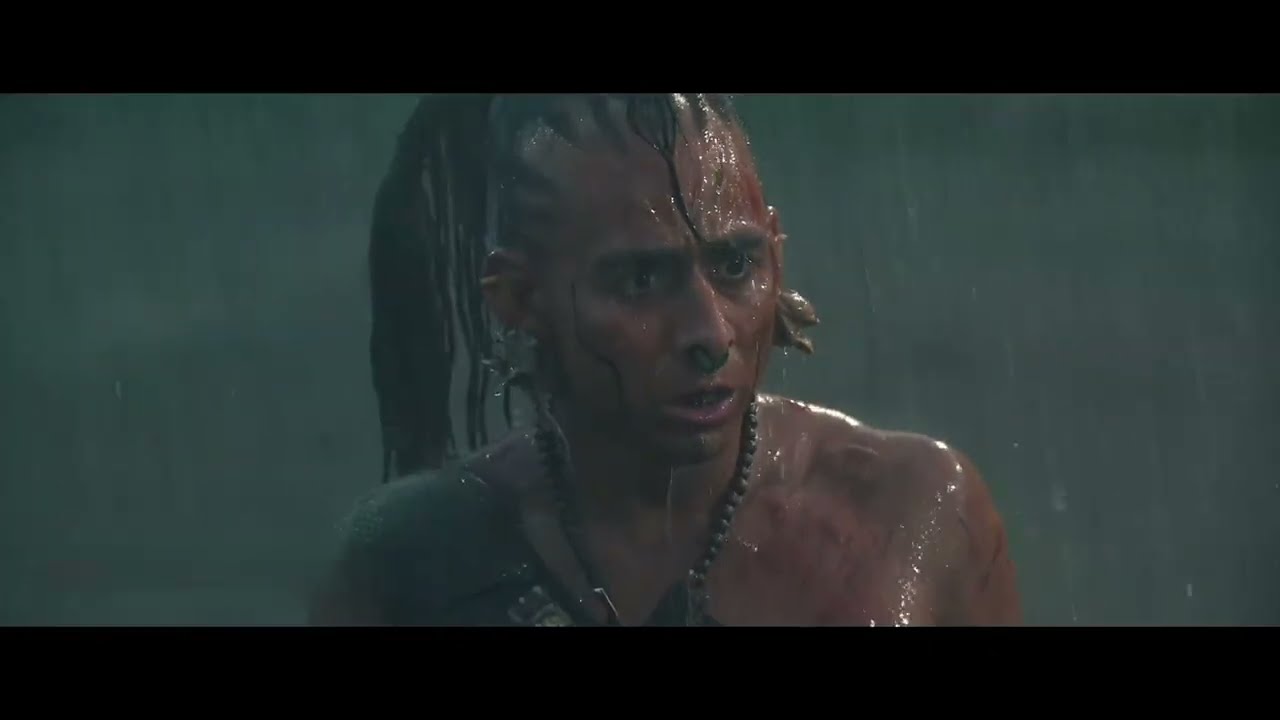
Jaguar Paw returns not as a hunted man… but as someone slowly being transformed by fear, rage, and responsibility.
New tribes emerge. Old enemies refuse to disappear. And somewhere beneath all the bloodshed lies a deeper question the film keeps asking:
What happens when survival is no longer enough?
That tension hangs over every scene.
You feel it in the silence before an ambush.
You feel it in the burning forests.
You feel it in the eyes of men who already know war is coming.
Why This Sequel Feels Bigger Than Expected
Most survival sequels make one mistake—they scale up the action but lose the emotional core.
This one somehow avoids that.
Yes, the action is more brutal.
Yes, the chase scenes are larger and more chaotic.
But underneath all of it is a surprisingly personal story about protecting family, identity, and humanity itself.
Rudy Youngblood delivers a performance that feels raw and physical in a way modern action stars rarely capture anymore. He barely needs dialogue. His expressions do most of the work.
And then… everything changes.
About halfway through, the film introduces a turning point that completely shifts the tone from survival thriller into something much darker and more emotional.
That moment? People are going to talk about it for weeks.
The Atmosphere Is Relentless
The jungle almost feels alive this time.
Not beautiful. Not mystical.
Predatory.
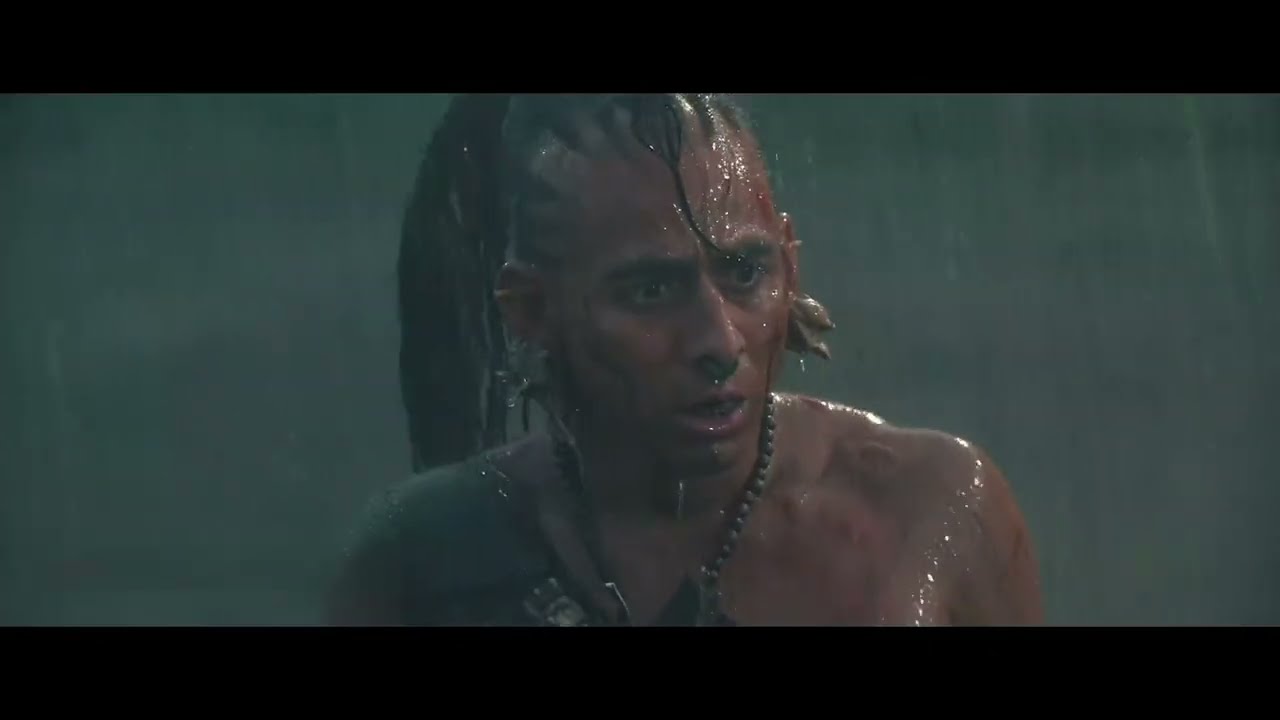
The cinematography leans heavily into smoke, firelight, rain, shadows, and suffocating close-ups that make every escape feel impossible.
Some scenes are so tense they barely need music.
Just breathing.
Footsteps.
Fear.
But here’s what most people missed: beneath all the brutality, the film quietly explores how violence changes people over time.
Not instantly.
Gradually.
And that psychological shift makes the second half surprisingly powerful.
The Scene That Stole the Show
There’s one sequence deep in the burning jungle that honestly feels unforgettable.
No spoilers—but it combines panic, sacrifice, and primal survival in a way that feels almost exhausting to watch.
The camera barely lets you breathe.
You’re thrown directly into the chaos alongside the characters, and by the end of the sequence, you realize the film has quietly crossed a line:
This is no longer about escape.
It’s about vengeance.
What Works Extremely Well
- Primal intensity: Every scene feels physical, grounded, and dangerous.
- Stronger emotional depth: The relationships feel more human this time.
- Massive atmosphere: The jungle setting becomes a character itself.
- Tense pacing: Even slower scenes feel loaded with danger.
- Visceral action: Brutal without feeling cartoonish.
- Powerful performances: Especially from Rudy Youngblood and Gerardo Taracena.
Where It Might Divide Audiences
The film is unapologetically intense.
Some viewers may find the violence overwhelming, especially during the second half. It’s emotionally heavy at times and doesn’t offer much relief between major conflicts.
The pacing also slows briefly during a few tribal politics scenes.
But honestly? Those quieter moments help the larger battles hit harder later on.
Why Fans of Epic Survival Cinema Will Love This
If you miss action films that feel dirty, dangerous, and fully immersive, this delivers exactly that.
It doesn’t rely on superheroes.
It doesn’t rely on CGI spectacle every five minutes.
Instead, it pulls you into a brutal world where instinct matters more than power.
That grounded realism is what makes the tension so effective.
You never feel safe watching it.
What Viewers Are Saying
- Daniel Brooks: “The jungle scenes were unbelievably intense. I felt stressed the entire time in the best way possible.”
- Emily Carter: “Way more emotional than I expected. The second half hit hard.”
- Marcus Lee: “This felt raw and real compared to modern action movies.”
- Sophia Bennett: “That fire sequence? Absolutely insane on the big screen.”
- Ryan Mitchell: “Rudy Youngblood completely carried this film with pure physical acting.”
- Amanda Collins: “One of the most immersive survival films I’ve seen in years.”
- Jason Reed: “The atmosphere alone makes this worth watching.”
- Olivia Turner: “Brutal, emotional, and surprisingly deep.”
Final Verdict
This sequel understands something many modern epics forget:
Real tension comes from vulnerability.
The film doesn’t just try to entertain you—it traps you inside its world. And once it does, it becomes difficult to look away.
It’s savage.
It’s emotional.
And at times, genuinely exhausting in the best possible way.
More importantly, it expands the original story instead of simply repeating it.
By the final moments, one thing becomes painfully clear:
The jungle remembers everything.
And some men never truly escape it.
Frequently Asked Questions
Is this sequel worth watching in theaters?
Absolutely. The scale, sound design, and jungle atmosphere feel far more powerful on the big screen.
Do you need to watch the original first?
Yes. The emotional impact works much better if you already know Jaguar Paw’s story.
Is the movie more action-focused or emotional?
Surprisingly both. The action is brutal, but the emotional stakes drive the story.
How intense is the violence?
Very intense. The film stays grounded and realistic, which makes many scenes feel even more brutal.
Does the sequel live up to the original?
For many viewers, it expands the world in a meaningful way while keeping the primal intensity that made the original unforgettable.