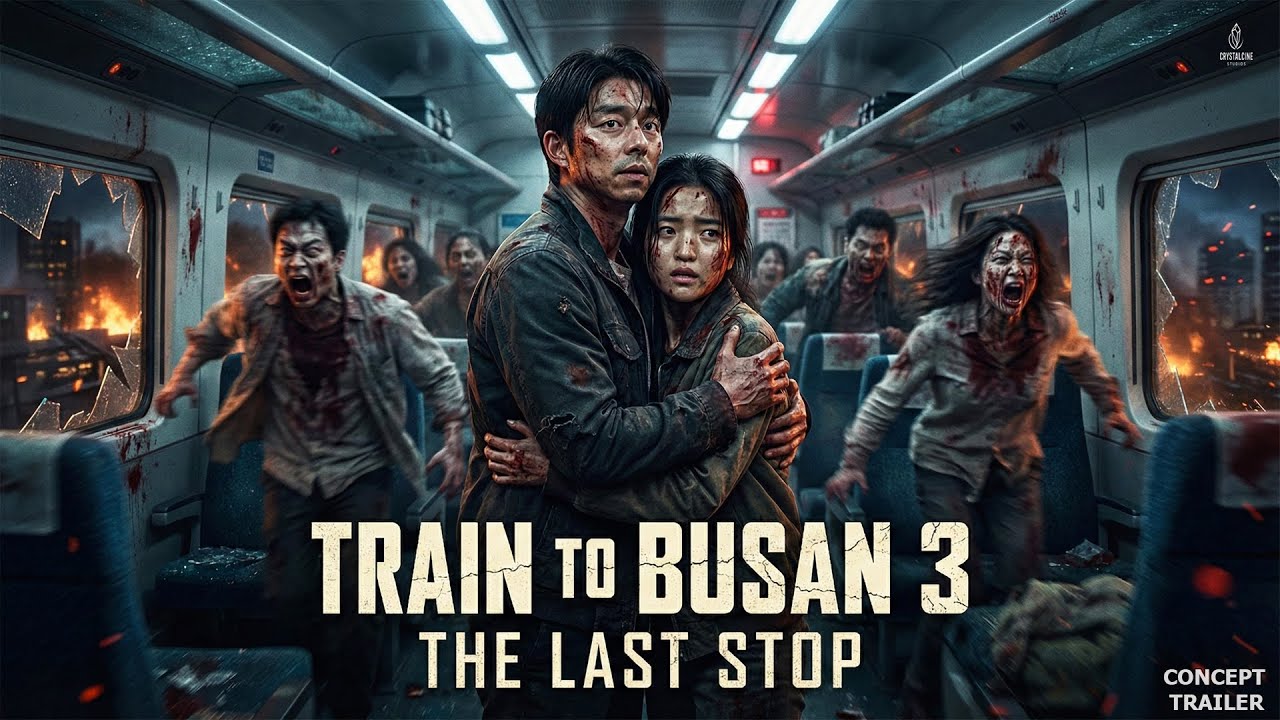
This isn’t just another zombie sequel—it’s a full-scale cinematic panic attack. I honestly thought the franchise had already peaked years ago… until this film turned a speeding train into one of the most terrifying survival settings I’ve seen in a long time.

And then… everything changes.
A Darker, More Ruthless Ride Than Anyone Expected
The story throws viewers straight into a collapsing world where even the remaining safe zones are disappearing one by one. Humanity is cornered, exhausted, paranoid—and desperate enough to trust a final armored train heading toward a rumored sanctuary.
But here’s the problem: the infected aren’t the same anymore.
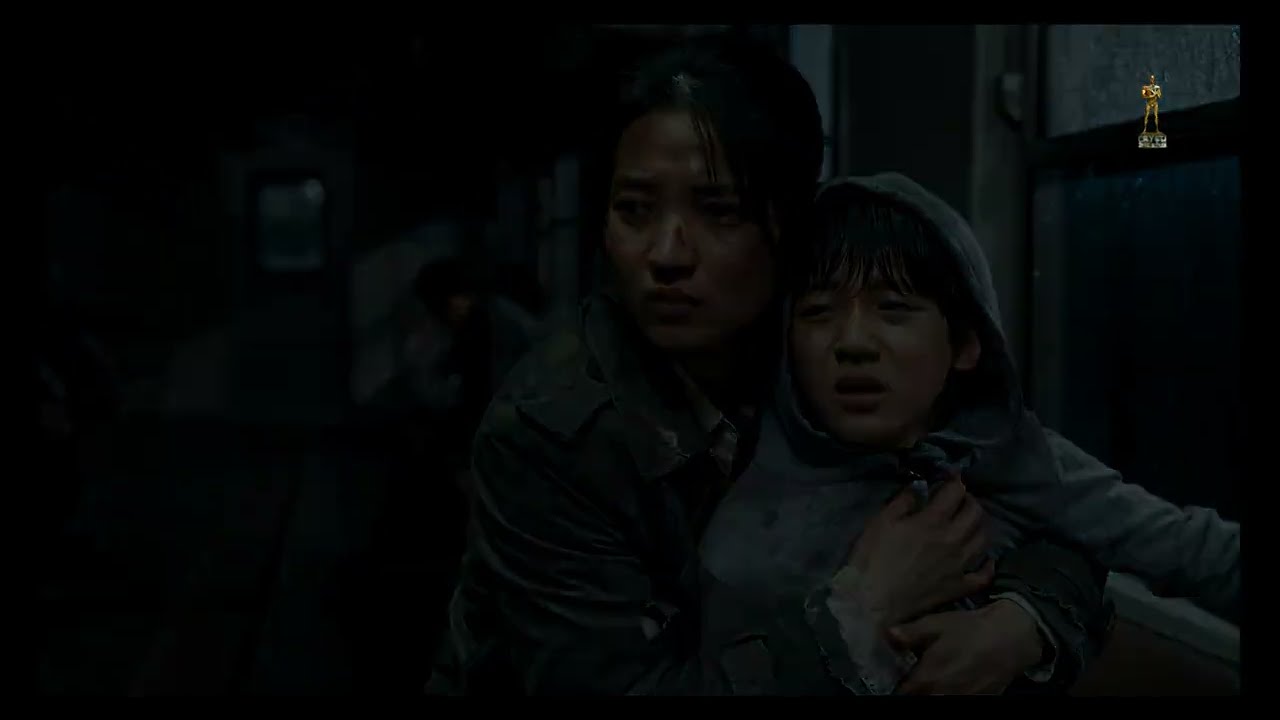
They’re faster. Smarter. More coordinated. And somehow, that makes every single moment feel ten times more stressful than before.
The film wastes almost no time setting the tone. Within minutes, you realize nobody is safe. Not the strongest fighter. Not the emotional heart of the group. Nobody.
A Spectacle Worth Watching on the Big Screen
This franchise has always understood movement and chaos better than most zombie films, but this chapter pushes the scale even further.
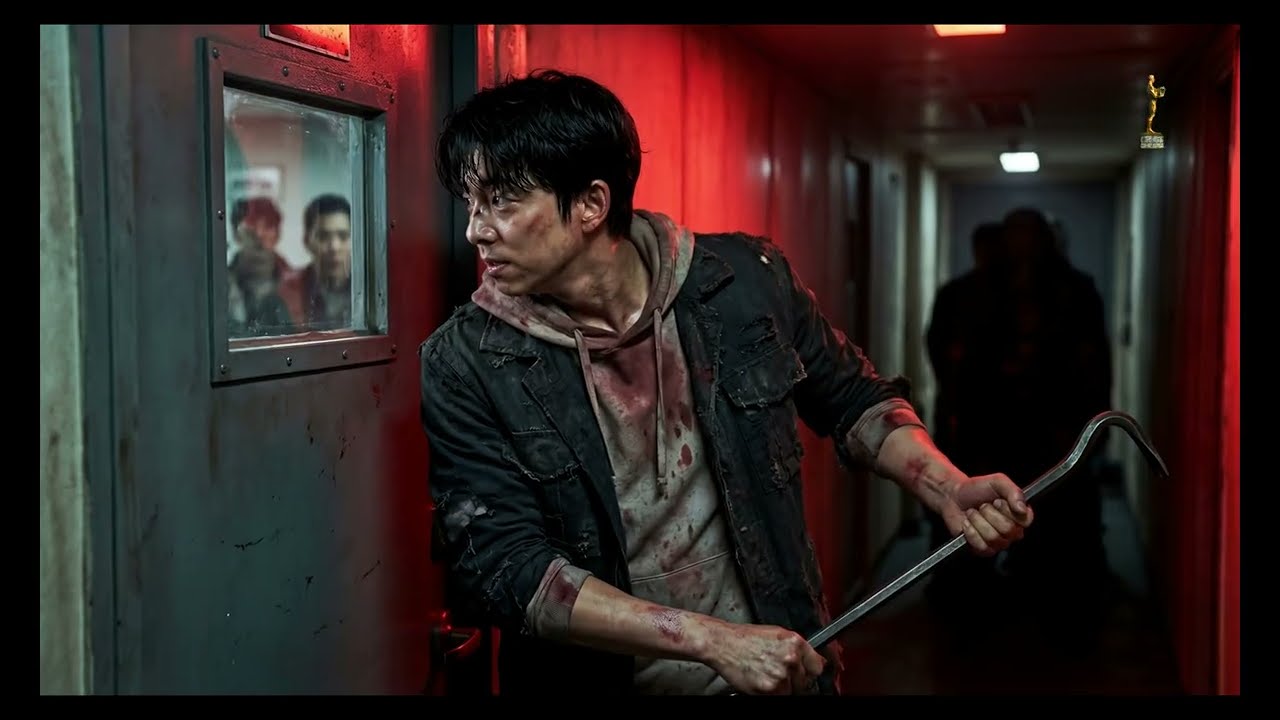
The action sequences inside the train are unbelievably intense. Tight hallways, flickering emergency lights, screaming passengers, metal doors bending under pressure—it all feels claustrophobic in the best possible way.
There’s one sequence halfway through the film involving a tunnel blackout that genuinely had the entire theater silent.
No music. No dialogue.
Just breathing.
And panic.
Directorally, the movie understands exactly when to go loud and when to pull everything back. That balance keeps the tension constantly alive.
Why This Sequel Feels More Emotional Than Expected
What surprised me most wasn’t the horror.
It was the emotional weight.
Underneath all the violence and chaos, the story becomes deeply focused on fear, guilt, sacrifice, and human selfishness under pressure. The infected may be terrifying, but the film quietly reminds you that desperation changes people too.
Some of the strongest scenes don’t involve zombies at all.
They involve silence between survivors who no longer trust each other.
That’s where the film hits hardest.
The Cast Delivers Exactly What Fans Wanted
- Gong Yoo brings emotional gravity and exhaustion that feels painfully real.
- Ma Dong-seok once again becomes the human shield audiences desperately root for.
- Bae Suzy adds vulnerability and emotional complexity that gives the film surprising heart.
The chemistry works because nobody feels overly heroic. Every character feels scared. Tired. Human.
And honestly? That makes the danger feel even worse.
What Makes It Stand Out From Other Zombie Films
Most zombie sequels eventually become repetitive.
This one doesn’t.
The evolving infected completely change the pacing of the story. The movie constantly introduces new dangers without feeling gimmicky. There are moments where the infected almost feel tactical, and that subtle shift creates a disturbing atmosphere throughout the film.
But here’s what most people missed…
The movie isn’t really about escaping zombies.
It’s about whether humanity still deserves saving after everything collapses.
That idea quietly hangs over the entire story.
The Scene That Stole the Show
Without spoiling too much, there’s a late-film sequence involving a train compartment split between infected and survivors that absolutely delivers the emotional high point of the movie.
You know something terrible is about to happen.
The film knows you know.
And it still destroys you anyway.
That scene alone will probably become one of the franchise’s most talked-about moments.
Strengths
- Extremely tense pacing with almost no filler
- Smarter infected create fresh suspense
- Emotional storytelling that actually lands
- Claustrophobic action sequences feel immersive
- Strong performances from the main cast
- Excellent balance between spectacle and character drama
Weaknesses
- Some side characters could have used more development
- The opening moves very quickly and may feel overwhelming at first
- A few CGI-heavy moments slightly reduce realism
Still, none of these issues seriously damage the experience.
What Viewers Are Saying
- Daniel Brooks: “I thought I was prepared for this movie. I absolutely was not.”
- Emily Carter: “The tunnel scene nearly gave me a heart attack.”
- Ryan Mitchell: “Way more emotional than I expected. That ending hurt.”
- Sarah Kim: “The infected are terrifying this time. Seriously terrifying.”
- Jason Lee: “One of the most intense theater experiences I’ve had in years.”
- Olivia Turner: “The tension never lets go. Not even for a minute.”
- Marcus Bennett: “Ma Dong-seok completely stole every scene he was in.”
- Hannah Wells: “I went in expecting action. I didn’t expect to cry.”
Final Verdict
This final chapter feels bigger, darker, and far more desperate than anything the franchise has attempted before. It doesn’t just recycle the formula—it evolves it.
The horror is brutal.
The action is relentless.
But it’s the emotional tension between survivors that truly makes the film unforgettable.
By the final act, the movie stops feeling like entertainment and starts feeling like survival itself.
And honestly… that’s exactly why it works.
Frequently Asked Questions
Is this movie worth watching in theaters?
Absolutely. The sound design, tension, and large-scale train sequences feel far more immersive on the big screen.
Do I need to watch the previous films first?
It helps emotionally, especially for returning themes and character connections, but new viewers can still follow the story.
Are the zombies different this time?
Yes—and that’s one of the biggest reasons the film feels fresh. The infected behave faster and far more intelligently.
Is this more action-focused or horror-focused?
It balances both surprisingly well. The action is explosive, but the horror and tension remain the core experience.
Does the movie have emotional moments?
Definitely. Beneath all the chaos, the story is heavily driven by sacrifice, fear, and human vulnerability.