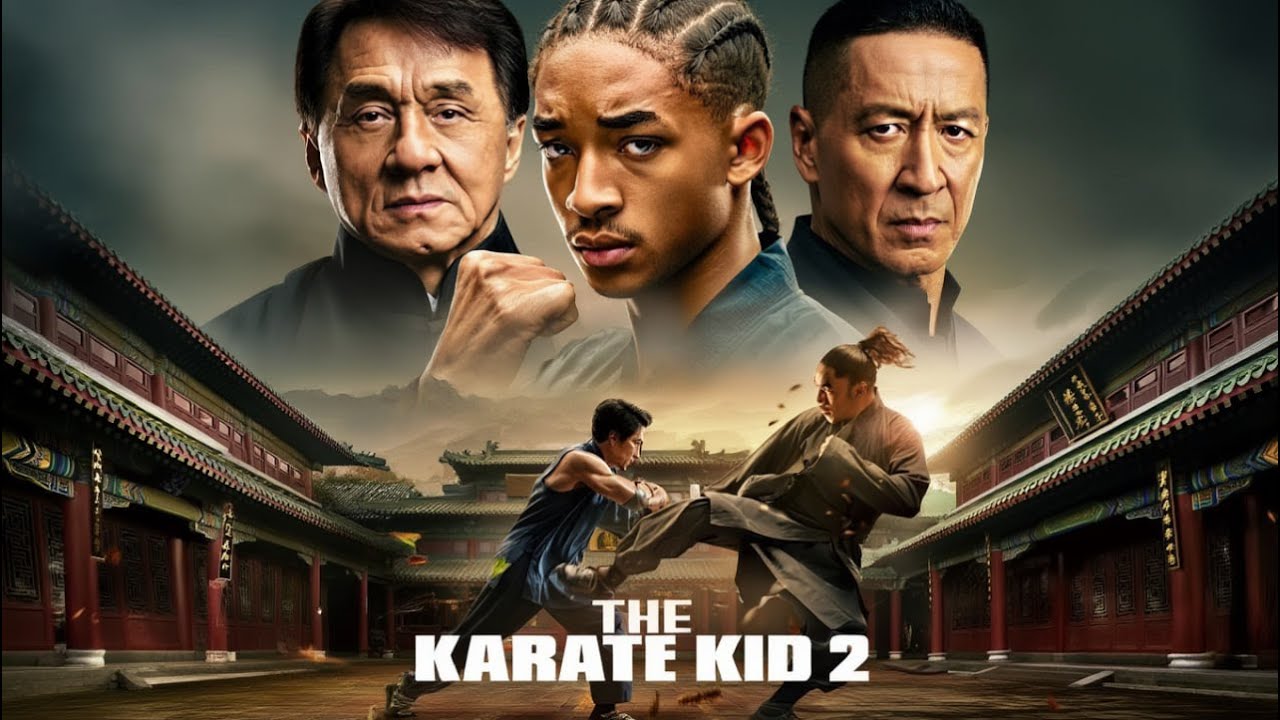
This isn’t just another martial arts sequel—it’s a full-scale cinematic comeback that understands exactly why people fell in love with the dojo in the first place. I expected nostalgia, some flashy kicks, maybe a few crowd-pleasing callbacks… but what surprised me most was how personal this story actually becomes.

And then, halfway through the film, everything changes.

A Spectacle Worth Watching on the Big Screen
The latest chapter throws viewers back into a world where discipline means more than winning fights. The story follows a new generation stepping into the shadow of old rivalries, and honestly, that tension carries the entire film.

Without diving into spoilers, the movie balances classic underdog energy with a more mature emotional tone. It still delivers hard-hitting training sequences and tournament-style intensity, but underneath all the action is a deeper question:
What happens when strength alone isn’t enough anymore?
That question quietly drives nearly every major moment.
The Action Feels Raw Again
One thing the film absolutely nails is impact.
The fights don’t feel overly polished or weightless. Every punch matters. Every mistake hurts. The choreography has that grounded style fans have been missing lately, where emotion matters just as much as technique.
Some scenes feel less like action set pieces and more like emotional confrontations disguised as fights.
And honestly? That’s what makes them memorable.
The Scene That Stole the Show
There’s one training sequence late in the film that completely shifts the emotional energy of the story. No giant explosions. No dramatic slow motion overload.
Just silence, exhaustion, frustration… and realization.
You can practically feel the entire audience leaning forward during that moment.
But here’s what most people missed: the scene isn’t really about martial arts at all.
It’s about identity.
That’s why it lands so hard.
Why This Sequel Works Better Than Expected
- The nostalgia feels earned instead of forced.
- The younger cast actually carries emotional weight rather than just copying older characters.
- The pacing stays tight with very few slow stretches.
- The dojo philosophy matters again, which longtime fans will appreciate.
- The soundtrack quietly elevates several scenes without overpowering them.
The movie understands something many legacy sequels forget:
People don’t just remember the fights. They remember the lessons behind them.
Where The Film Struggles A Little
Not everything works perfectly.
Some supporting characters disappear for long stretches, and a few emotional arcs feel slightly rushed near the ending. There are also moments where the dialogue leans a little too heavily into inspirational speeches.
Still, the emotional sincerity saves most of it.
You can tell the film genuinely cares about its characters instead of treating them like nostalgia props.
The Emotional Core Hits Harder Than Expected
What caught me off guard most wasn’t the action.
It was the quiet moments.
The scenes about failure. Pride. Fear of disappointing mentors. The pressure of carrying someone else’s legacy.
That’s where the film unexpectedly finds its heart.
There’s one conversation near the final act that honestly stayed with me long after the credits rolled.
No punches. No music swelling in the background.
Just truth.
And weirdly enough, that scene might be stronger than the final fight itself.
What Viewers Are Saying
- Daniel Brooks: “Way more emotional than I expected. The final act genuinely surprised me.”
- Melissa Carter: “The training scenes gave me chills. This is how legacy sequels should be done.”
- Ryan Mitchell: “I thought it would rely only on nostalgia. Glad I was wrong.”
- Jessica Lane: “The crowd in my theater actually applauded during one fight scene.”
- Tyler Evans: “It captures the spirit of classic martial arts films while still feeling modern.”
- Sophia Bennett: “One particular mentor-student moment completely broke me.”
- Marcus Hill: “The action is fantastic, but the emotional payoff is what really hits.”
- Emma Richardson: “This movie understands that karate was never just about fighting.”
Final Verdict
Some sequels exist purely to revive a brand.
This one actually has something to say.
It delivers the crowd-pleasing fights fans expect, but underneath the kicks and rivalries is a story about growth, identity, and learning how to stand back up after failure.
Sure, it isn’t flawless. But it has heart. Real heart.
And in a world overloaded with empty reboots, that matters more than ever.
By the end, the film reminds us that the dojo was never just about combat.
It was always about character.
Frequently Asked Questions
Is Karate Kid 2 (2026) worth watching in theaters?
Absolutely. The fight choreography, crowd reactions, and emotional moments feel much stronger on the big screen.
Do you need to watch previous Karate Kid movies first?
Not necessarily. Longtime fans will catch deeper references, but new viewers can still follow the story easily.
Is the movie more action-focused or emotional?
Surprisingly balanced. The action is strong, but the emotional character moments are what truly stand out.
Does the sequel rely too much on nostalgia?
Not really. It respects the past while giving newer characters meaningful development.
Are the fight scenes actually good?
Yes—and more importantly, they feel personal. The best fights carry emotional consequences beyond simply winning or losing.