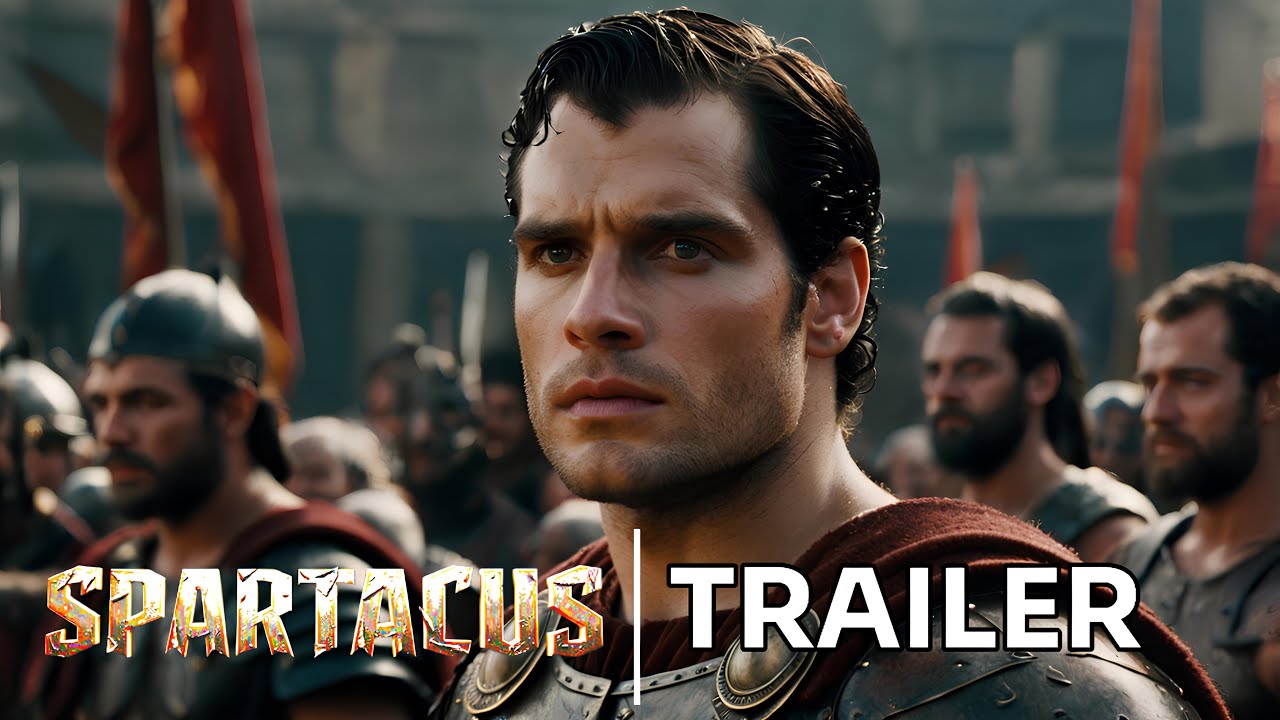
This isn’t just another sword-and-sandal revival—it’s a full-scale cinematic experience drenched in blood, fire, and raw human fury. I expected nostalgia. What I got instead was something far more dangerous… a brutal rebirth that refuses to play safe.

And honestly? Some scenes hit harder than most modern action films dare to.

A Spectacle Worth Watching on the Big Screen
Set in the aftermath of rebellion, the story follows a new warrior rising from the ashes of Rome’s cruelty while the legend of Spartacus continues haunting the empire like a ghost that simply won’t die.

The film wastes almost no time pulling viewers into chaos. Burning arenas. Political betrayal. Crowds screaming for blood. Every frame feels massive.
But here’s what surprised me most: beneath all the violence, there’s an emotional core quietly driving everything forward.
And then… everything changes.
The Scene That Stole the Show
There’s one arena sequence midway through the film that absolutely steals the entire movie.
No spoilers—but the combination of chained gladiators, savage beasts, roaring crowds, and thunderous cinematography creates the kind of tension that makes you forget to breathe for a second.
The camera work feels visceral without becoming messy. You feel every strike. Every drop of desperation.
It’s the kind of scene people will be talking about online for months.
Why This Story Feels Bigger Than a Typical Gladiator Film
Most historical action movies focus entirely on spectacle. This one understands mythology.
The rebellion isn’t just about war anymore—it becomes an idea. A symbol. Something Rome cannot fully erase no matter how many bodies fall into the sand.
That thematic layer gives the film surprising weight.
Andy Whitfield’s presence is felt throughout the story in a way that longtime fans will immediately appreciate. Lucy Lawless brings authority and intensity to every scene she enters, while Manu Bennett delivers the kind of physically dominant performance that feels genuinely intimidating.
Even quieter moments carry tension because the film constantly reminds you that survival itself is temporary.
What Makes the Action So Effective?
- The arena combat feels savage instead of overly choreographed
- The practical blood effects give fights brutal realism
- The pacing rarely slows down for too long
- The sound design makes every collision feel heavy
- The Roman Empire is portrayed as terrifyingly unstoppable
But here’s what most people missed…
The movie’s best weapon isn’t violence. It’s pressure.
Every character feels trapped by destiny, fear, loyalty, or revenge. That constant emotional pressure makes the battles matter more.
Strengths
Visually Massive
The scale here is impressive. Huge arenas, collapsing cities, armies marching through smoke—it genuinely feels cinematic instead of digitally artificial.
Relentless Energy
The pacing rarely loses momentum. Even dialogue-heavy scenes carry tension because betrayal always feels one step away.
Emotional Weight
Surprisingly emotional for such a brutal film. Several scenes land harder than expected because the movie actually takes time to build sacrifice and loyalty.
Brutal Gladiator Combat
This may be some of the fiercest arena combat shown in modern historical action films. Not stylish. Not glamorous. Just savage survival.
Weaknesses
The nonstop intensity may exhaust some viewers.
Certain secondary characters could have used more development, especially during the middle act where the film moves quickly between political conflicts and arena battles.
And yes, the violence is extremely graphic at times. This is definitely not a casual family movie night.
What Viewers Are Saying
- Daniel Brooks: “I expected action… I didn’t expect to get emotionally invested this fast.”
- Marcus Hale: “The arena scenes are absolutely insane. Best gladiator combat I’ve seen in years.”
- Jennifer Collins: “Every episode of the original series felt legendary. Somehow this captured that same energy.”
- Ryan Foster: “That beast arena sequence? Unreal.”
- Emily Carter: “Way more emotional than I thought it would be.”
- Nathan Reed: “The sound design alone deserves praise. You feel every hit.”
- Olivia Bennett: “Dark, violent, intense… exactly what a Spartacus revival should be.”
- Chris Walker: “This deserves to be watched in the loudest theater possible.”
Final Verdict
This film understands exactly why people loved gladiator epics in the first place.
It’s violent. Emotional. Massive. Sometimes uncomfortable. And surprisingly human beneath all the bloodshed.
More importantly, it never feels like a lazy reboot chasing nostalgia.
It fights to earn its legacy.
By the final act, the film stops feeling like a continuation and starts feeling like something mythic all over again.
Legends never die.
Sometimes they return stronger.
Frequently Asked Questions
Is this movie connected to the original Spartacus series?
Yes, the film heavily honors the legacy and themes of the original while introducing a new chapter of rebellion and survival.
Is it worth watching in theaters?
Absolutely. The scale, sound design, and arena sequences are built for the big screen experience.
How violent is the movie?
Very violent. Expect graphic gladiator combat, brutal executions, and intense battle sequences throughout.
Does the movie focus more on action or story?
It balances both surprisingly well. The action is spectacular, but the emotional themes give the story real weight.
Will fans of Gladiator and the original Spartacus enjoy this?
Most likely yes. If you enjoy brutal historical epics filled with rebellion, sacrifice, and arena warfare, this delivers exactly that energy.