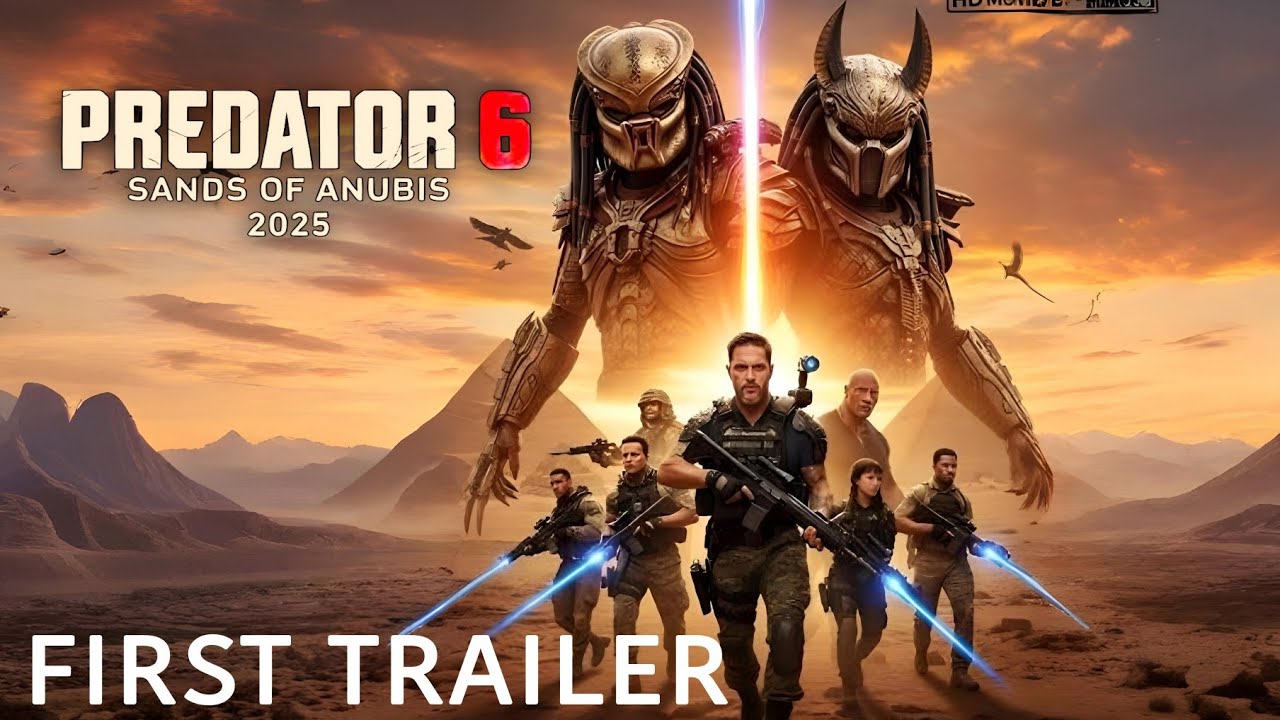
This isn’t just another sci-fi action film—it’s a full-scale cinematic nightmare buried beneath ancient sand. I expected chaos, explosions, and the usual hunt… but I didn’t expect the atmosphere to feel this oppressive. And once the desert starts revealing its secrets? Yeah. That’s when the film sinks its claws into you.
What begins as a mysterious archaeological disappearance slowly transforms into something far more terrifying. Not survival. Judgment.
A Spectacle Worth Watching on the Big Screen
The moment the story shifts deep into the forgotten Egyptian ruins, the entire tone changes. The desert feels alive. Every corridor, every shifting dune, every ancient symbol carries this unsettling feeling that something has been waiting there for centuries.
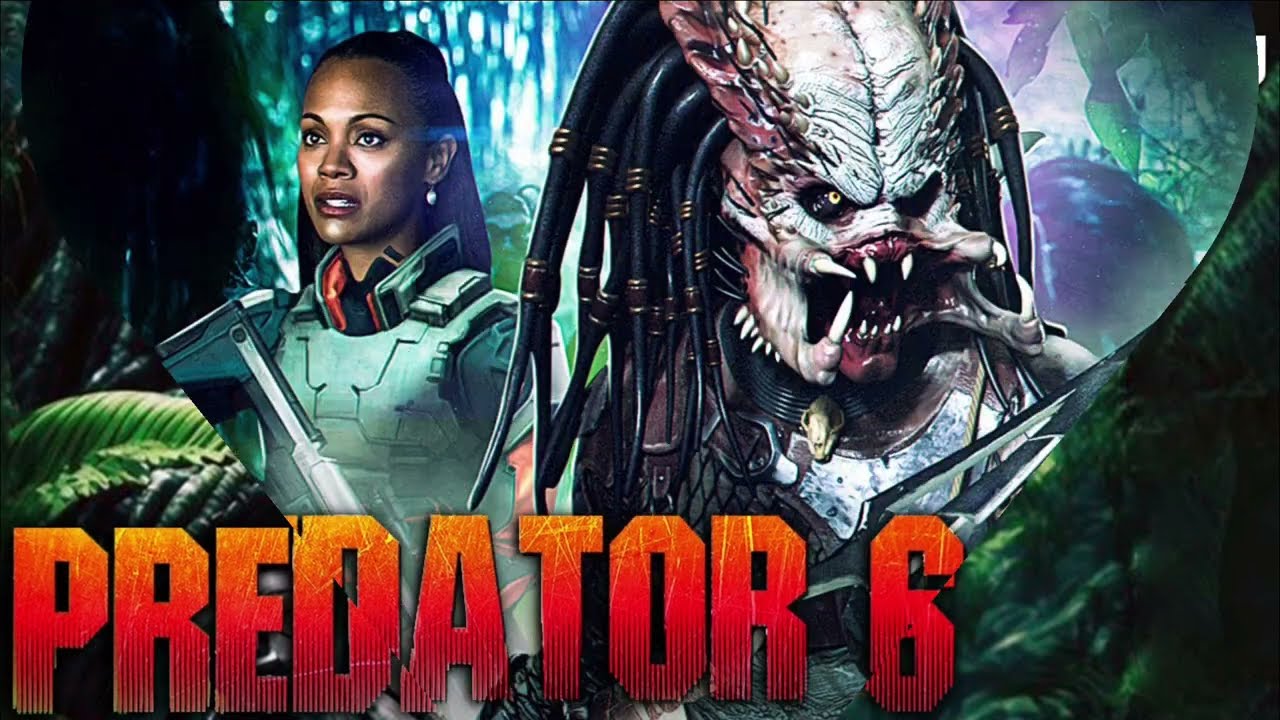
And then… the hunters arrive.
The film smartly avoids rushing into nonstop action. Instead, it builds tension through silence, isolation, and fear of the unknown. That slow burn makes the violent moments hit even harder.
But here’s what most people missed: this isn’t just a hunt anymore. The Yautja aren’t simply tracking humans for sport this time—they’re testing them against an ancient code tied to something buried beneath the sands.
The Scene That Stole The Show
There’s one sequence halfway through the film involving an underground chamber illuminated by collapsing torchlight that honestly deserves to be talked about for years.
No spoilers.
But the way the film combines ancient Egyptian mythology with Predator technology is insane. You can practically feel the panic through the screen as the characters realize the ruins themselves are part of the hunt.
And when the massive Anubis-inspired Predator finally steps out of the darkness? Absolute chills.
Why The Atmosphere Feels So Different
Most Predator films focus heavily on combat and survival. This one leans harder into horror—and it absolutely works.
The Desert Becomes The Enemy
- Shifting dunes constantly erase escape routes
- Ancient traps turn exploration into psychological torture
- The heat and isolation create relentless tension
- The nighttime scenes feel genuinely terrifying
The cinematography deserves serious credit here. The contrast between endless golden landscapes and claustrophobic underground ruins creates this suffocating feeling that never really lets go.
The Yautja Have Never Felt This Mythic Before
The film introduces a much older Predator hierarchy tied directly to forgotten civilizations. Instead of treating the hunters like alien warriors alone, the movie frames them almost like ancient gods of judgment.
That creative direction changes everything.
Even longtime franchise fans will probably be surprised by how much lore gets expanded without feeling forced.
What Works Brilliantly
- The horror atmosphere is genuinely intense
- The Egyptian setting feels fresh for the franchise
- The Predator designs are brutal and visually unforgettable
- The pacing slowly builds dread instead of relying only on action
- The sound design makes every encounter feel terrifying
- The mythology elements add unexpected depth
Where The Film Stumbles Slightly
Not every human character gets enough emotional development, especially early on. A few supporting characters mainly exist to move the plot forward.
The slower first act may also frustrate viewers expecting nonstop action from the beginning.
But honestly? The slower pacing is exactly why the payoff works so well later.
The Hidden Detail Fans Will Obsess Over
There are subtle clues throughout the ruins hinting that the Yautja may have influenced ancient human mythology for thousands of years.
Small carvings. Strange weapons. Symbols hidden in the background.
You’ll probably catch something new on a second viewing.
And the final ten minutes? Completely unhinged in the best possible way.
What Viewers Are Saying
- Marcus Hale: “This felt more like horror than action… and honestly, that made it even better.”
- Emily Carter: “The underground chamber sequence was absolutely terrifying in theaters.”
- Ryan Brooks: “Best Predator atmosphere since the original. Maybe even darker.”
- Sophie Bennett: “I thought the Egyptian setting would feel gimmicky. I was completely wrong.”
- Daniel Foster: “That Anubis-inspired Predator design is unreal.”
- Liam Turner: “The tension just keeps building until everything explodes.”
- Ashley Monroe: “Some scenes genuinely made me uncomfortable—in a good way.”
- Chris Walker: “The lore expansion surprised me more than the action.”
Final Verdict
This film understands something many modern franchise sequels forget: atmosphere matters.
Instead of trying to simply recreate old nostalgia, it drags the franchise into darker territory and gives the hunt an almost mythological weight. The result feels bigger, scarier, and far more unpredictable than expected.
It’s brutal. Stylish. Unsettling.
And once the desert reveals what’s truly hiding beneath the ruins… you realize the hunters were never the only monsters waiting there.
If the franchise continues in this direction, the future suddenly looks very dangerous—in the best way possible.
Frequently Asked Questions
Is this movie more horror or action?
Definitely more horror-focused than previous entries, though the action scenes are still intense and brutal when they happen.
Do you need to watch previous Predator films first?
Not necessarily. Longtime fans will appreciate the lore references, but new viewers can still follow the story easily.
Is the Egyptian mythology aspect actually important?
Yes—and surprisingly well integrated into the Predator universe without feeling forced.
Is this worth watching in theaters?
Absolutely. The sound design, visuals, and atmosphere feel massive on the big screen.
Does the movie have sequel potential?
Without spoiling anything… let’s just say the ending opens some very interesting doors.