Solo Leveling (2026) brings the widely recognized action-fantasy narrative to a broader cinematic audience, focusing on transformation, power, and the consequences of rapid ascent. Set in a world where mysterious gates connect reality to monster-filled dungeons, the story examines what happens when one individual breaks the established limits of strength—and how society responds.
Key Developments / Main Topic
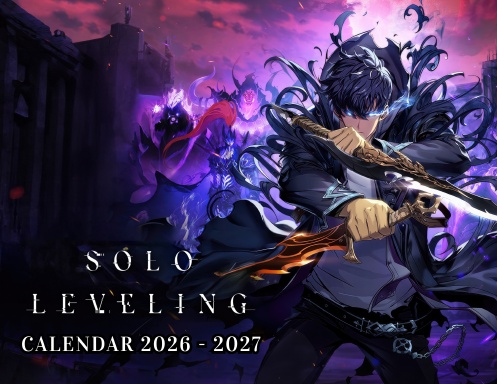
The film centers on Sung Jin-Woo, an E-rank hunter widely regarded as the weakest among those tasked with defending humanity. In a system where hunters are ranked by ability, his position places him at constant risk, often surviving missions by narrow margins.
This dynamic shifts dramatically after a near-fatal encounter داخل a hidden dungeon. Unlike typical gates, this environment presents unfamiliar rules and heightened danger. Jin-Woo emerges from the experience changed, having been selected by a mysterious “system” that grants him a unique ability: continuous, unlimited growth.
From that point forward, his progression is no longer bound by conventional ranking structures.
And others begin to notice.
As Jin-Woo’s strength increases, so does the attention surrounding him. Fellow hunters grow suspicious of his sudden advancement, while larger organizations begin monitoring his activities. At the same time, the gates themselves appear to react, suggesting a deeper connection between his evolution and the broader system governing the world.
Background & Context
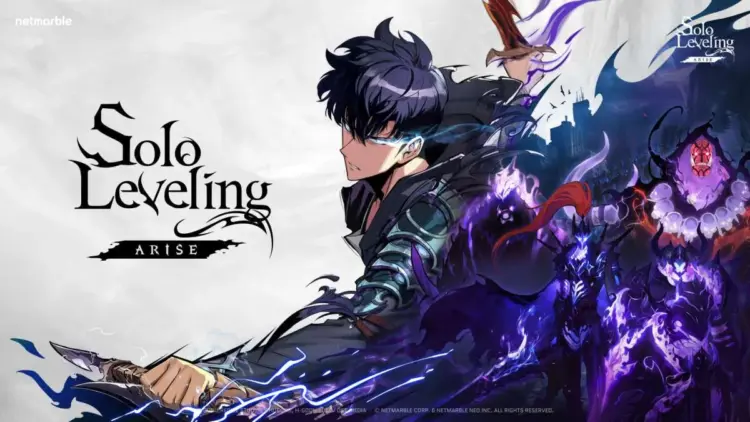
Solo Leveling originates from a popular South Korean web novel and subsequent webtoon adaptation, both known for their structured power progression and detailed world-building. The 2026 adaptation maintains the core premise while expanding its scope to fit a cinematic format.
The concept of hunters operating within ranked systems reflects a hybrid of role-playing game mechanics and modern fantasy storytelling. Gates function as both narrative devices and sources of conflict, introducing unpredictable threats that require organized human response.
Within this framework, Jin-Woo’s ability stands out not just for its strength, but for its exceptionality. Unlike other hunters, whose abilities are fixed upon awakening, his power evolves continuously—challenging the foundational rules of the world.
This distinction positions him as both an asset and a potential risk.

Analysis or Impact
The central theme of Solo Leveling (2026) is not simply power acquisition, but the cost associated with it. Jin-Woo’s rise introduces a tension between individual capability and collective stability. As he grows stronger, the gap between him and others widens, altering relationships and shifting the balance of control.
The “system” itself functions as more than a narrative tool. It introduces a structured progression model that mirrors game logic, but with unclear origins and intentions. Its presence raises critical questions: Who created it? What is its end goal? And why was Jin-Woo chosen?
“Power gained without limits often comes with conditions that are not immediately visible.”
This underlying uncertainty gives the film a more reflective dimension, encouraging viewers to consider the implications of unchecked growth—not just physically, but psychologically and socially.
What Works — And What Doesn’t
What works:
- A clear and compelling character arc, tracking Jin-Woo’s transformation from vulnerability to dominance
- Structured progression that provides a sense of momentum and measurable stakes
- A world-building framework that blends fantasy with system-based logic
- Consistent thematic focus on isolation and responsibility
What may not work for all viewers:
- The heavy reliance on progression mechanics may feel repetitive to those unfamiliar with the genre
- Secondary characters may receive limited development compared to the central protagonist
- Some narrative elements surrounding the system remain intentionally अस्पष्ट, which may leave questions unanswered
These trade-offs reflect the film’s emphasis on individual transformation over ensemble storytelling.

Conclusion
Solo Leveling (2026) presents a focused exploration of power in a structured yet unstable world. By centering its narrative on a character who defies established limits, it challenges traditional hierarchies while introducing new uncertainties.
Its strength lies in its clarity of direction.
Rather than diffusing its focus, the film commits to examining one trajectory in depth: the rise of an individual who may ultimately stand apart from the world he was meant to protect.
Frequently Asked Questions
What is Solo Leveling (2026) about?
The film follows Sung Jin-Woo, the weakest hunter in a world threatened by dungeon gates, who gains a unique ability to grow stronger without limits after a near-death experience.
What are “gates” in Solo Leveling?
Gates are mysterious portals that connect the human world to dangerous dungeons filled with monsters, requiring hunters to enter and eliminate threats.
What makes Jin-Woo different from other hunters?
Unlike other hunters whose abilities are fixed, Jin-Woo can continuously increase his strength through a system that allows unlimited growth.
Is Solo Leveling (2026) based on existing material?
Yes, it is adapted from a popular South Korean web novel and webtoon known for its detailed power progression and action-driven storytelling.
What themes does the film explore?
The film explores themes of power, isolation, identity, and the consequences of surpassing natural limits in a structured society.