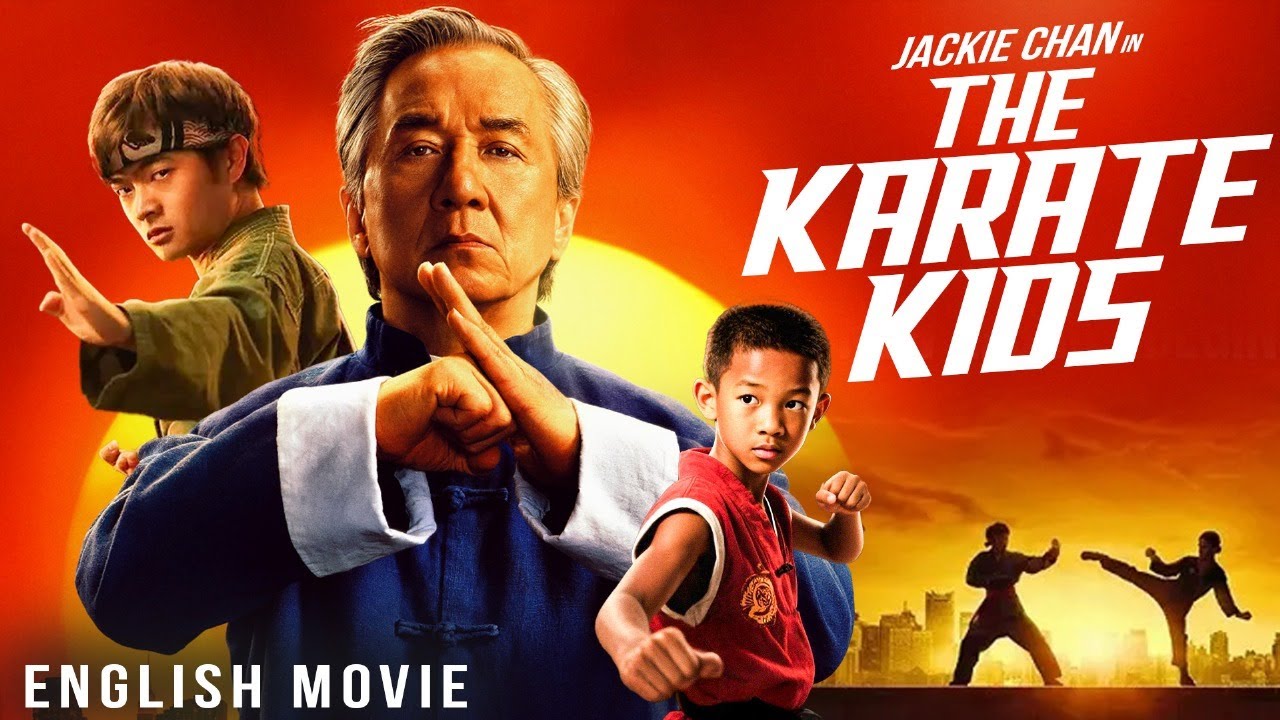
I didn’t expect this story to stay this powerful years later… but somehow, it still hits with the same emotional force. What looked like a simple martial arts remake ended up becoming one of the most heartfelt coming-of-age stories of its generation.

And honestly? Rewatching it now feels different. More emotional. More meaningful. Especially once you realize what the film was really trying to say beneath all the kicks and tournament moments.

Why This Story Still Connects With Audiences
At its core, this isn’t just about martial arts. It’s about loneliness, fear, identity, and learning how to stand up for yourself when the world feels completely against you.

Dre Parker’s journey from an insecure outsider to someone capable of facing both physical and emotional battles feels surprisingly authentic. You can feel the discomfort in every awkward interaction, every humiliating moment, every quiet defeat.
And then… everything changes.
The training sequences aren’t simply there to look cool. They become emotional checkpoints. Every lesson from Mr. Han slowly reshapes Dre from the inside out.
Why This Drama Hits So Hard
The Mentor Bond That Carries The Entire Film
One of the biggest reasons this story works so well is the chemistry between Jaden Smith and Jackie Chan.
Jackie Chan delivers one of the most emotionally grounded performances of his career here. There’s sadness behind his calmness. Pain hidden beneath discipline. The film doesn’t scream those emotions at you—it lets you slowly discover them.
That’s what makes it work.
The quiet scenes between mentor and student often become more memorable than the action itself.
The Emotional Weight Behind Meiying
Wenwen Han brings warmth and sincerity to every scene she appears in. Her performance never feels forced or exaggerated.
There’s a softness to her character that balances the intensity of Dre’s struggles beautifully. And yes, the violin performance still remains one of the film’s most unexpectedly emotional moments.
It’s subtle. Elegant. Human.
But here’s what most people missed: her character quietly represents the emotional stability Dre desperately needed during his hardest moments.
The Characters You Can’t Forget
- Dre Parker: Vulnerable, stubborn, emotional, and incredibly relatable.
- Mr. Han: Wise without feeling cliché, carrying emotional scars beneath every lesson.
- Meiying: Gentle yet quietly resilient, bringing emotional balance to the story.
- The Rival Students: Intense enough to create real tension without becoming cartoon villains.
What Makes The Film So Rewatchable?
The pacing deserves more credit than people give it.
Instead of rushing directly into tournament action, the story spends time building emotional investment first. That decision changes everything because by the time the final showdown arrives, it actually means something.
You’re not watching punches anymore.
You’re watching growth.
The cinematography also deserves praise. The film captures Beijing with a surprising sense of beauty and atmosphere. The training locations, mountain sequences, and cultural details give the story a unique identity that separates it from typical sports dramas.
A Few Weaknesses Worth Mentioning
- Some middle sections move slightly slower than expected.
- A few supporting characters could have used deeper development.
- Certain emotional beats feel predictable if you’ve seen classic underdog stories before.
Still… none of those issues seriously damage the experience.
Because emotionally, the film lands exactly where it needs to.
The Scene That Stole The Show
Without spoilers, the final tournament sequence remains unforgettable—not because of flashy choreography alone, but because of the emotional buildup behind every movement.
You feel Dre’s fear. His exhaustion. His determination.
And when that final moment arrives?
Yeah. It still works.
Even years later.
What Viewers Are Saying
- Daniel Brooks: “I thought this would just be nostalgia… but it genuinely surprised me emotionally.”
- Sophia Miller: “Mr. Han’s story still breaks my heart every single time.”
- Ethan Carter: “The training scenes are iconic. But the emotional moments hit even harder now.”
- Olivia Bennett: “I completely forgot how inspiring this movie actually is.”
- Marcus Reed: “One of the rare remakes that created its own identity.”
- Hannah Lewis: “The violin scene still gives me chills.”
- Ryan Cooper: “Watched it as a kid. Rewatched it as an adult. Totally different experience.”
- Emily Foster: “The friendship and mentor relationship feel incredibly genuine.”
Final Verdict
This story succeeds because it understands something many modern films forget: emotional connection matters more than spectacle.
Yes, the martial arts sequences are exciting.
Yes, the tournament delivers adrenaline.
But the real reason audiences still remember this film years later is because it made people feel seen.
It’s about fear. Belonging. Growth. Friendship. Confidence.
And sometimes, the strongest victories aren’t the ones that happen in front of a crowd.
They happen quietly—inside someone finally learning who they are.
Early Rating: 8.7/10 — An emotional martial arts journey filled with heart, unforgettable performances, and timeless lessons about courage and resilience.
Frequently Asked Questions
Is this film worth rewatching years later?
Absolutely. In many ways, the emotional themes become even stronger with age.
Does the movie focus more on action or emotional storytelling?
It balances both surprisingly well, but the emotional character development is what truly stands out.
Is Jackie Chan one of the best parts of the film?
Without question. His performance adds emotional depth far beyond a typical mentor role.
Does the movie still hold up visually today?
Yes. The cinematography, training sequences, and Beijing locations still look fantastic.
Why do so many people still connect with this story?
Because underneath the martial arts, it tells a deeply human story about insecurity, perseverance, and finding inner strength.